Structures That Dry Completely the First Time
Water Damage Restoration in Billings for flooded basements, burst pipes, and ceiling leaks before mold colonizes
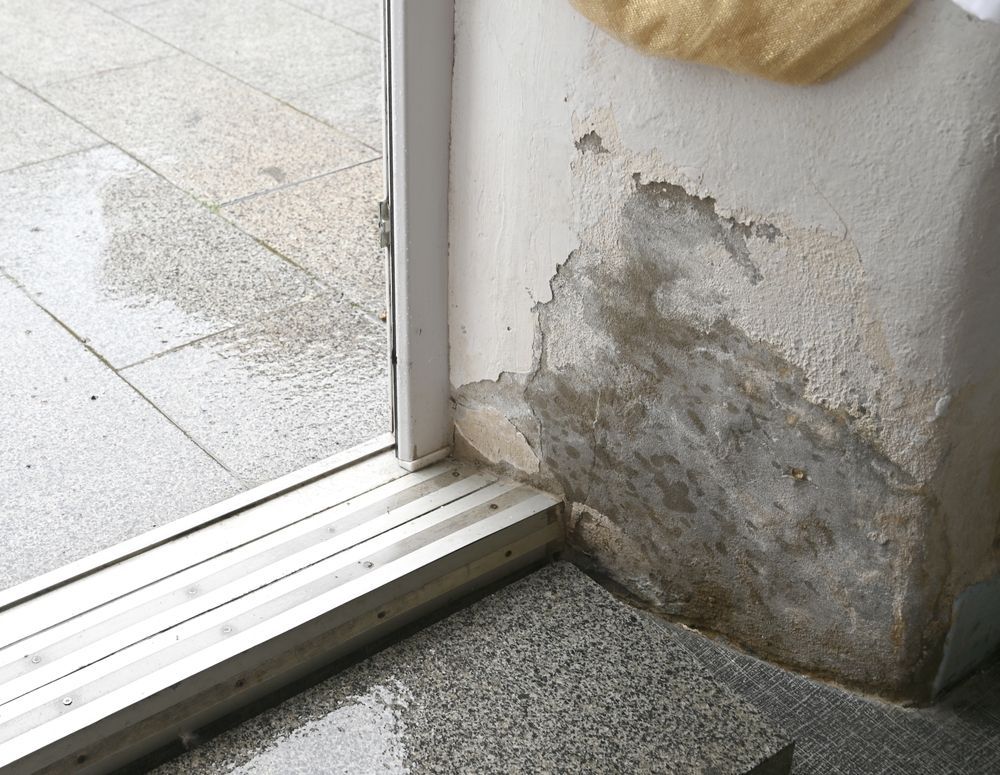
DCR handles water damage restoration across Billings when pipes burst during freeze-thaw cycles or spring runoff overwhelms foundation drainage. You're facing water intrusion that damages subflooring, saturates drywall, and creates conditions for mold growth within 48 hours. The service operates along the I-90 corridor and throughout Yellowstone River valley communities where seasonal flooding patterns create recurring water intrusion risk.
Water damage restoration involves extraction of standing water, industrial dehumidification, and structural drying measured with moisture meters to confirm materials return to baseline levels. Subflooring gets assessed for salvage potential, and hardwood floors receive specialized drying protocols that prevent cupping and warping. The process addresses visible water and moisture trapped in wall cavities and insulation where damage continues unseen.
Schedule a property evaluation to identify concealed moisture and determine structural drying requirements.
What Proper Structural Drying Requires
Your property receives thermal imaging to locate moisture in walls and ceilings that visual inspection misses, followed by staged equipment deployment based on material saturation levels and room volumes. Air movers position at angles that maximize evaporation rates, while dehumidifiers extract moisture from the air to maintain drying gradients. Equipment runs continuously with daily moisture readings documenting progress until all affected materials reach dry standards.
You'll notice floors that feel solid underfoot instead of spongy, walls that return to their original temperature rather than feeling cool and damp, and air that no longer smells musty or stale. Disaster Cleanup and Restoration confirms completion with moisture meter readings that match unaffected areas of your property, not arbitrary timelines. Cabinets open without resistance, baseboards sit flush against walls, and paint remains intact without bubbling or peeling.
The restoration includes hardwood floor salvage techniques when water hasn't caused delamination, but excludes flooring replacement—that gets coordinated separately after structural drying confirms subfloors can support new materials. Mold prevention depends entirely on completing structural drying within 48 hours of water intrusion, which determines equipment intensity and monitoring frequency throughout the process.
What Property Owners Ask Before Starting
Water damage questions often focus on timing, equipment, and what gets saved versus replaced after flooding events in Billings homes and commercial properties.
How quickly does mold begin growing after water damage?
Mold colonization starts within 48 hours when materials remain wet, which makes immediate extraction and dehumidification critical for preventing remediation costs that exceed the original water damage restoration.
What happens to hardwood floors after water intrusion?
Hardwood receives moisture assessment to determine if cupping is reversible through controlled drying or if boards have delaminated beyond salvage. Specialized drying protocols involve gradual moisture reduction that prevents cracking while allowing fibers to return to original dimensions.
Why does structural drying take multiple days?
Materials absorb water at different rates and release it slowly—drywall, insulation, and subflooring hold moisture that evaporates only when air movement and dehumidification create consistent drying conditions measured with daily moisture readings.
How do freeze-thaw cycles in Billings affect water damage risk?
Montana's seasonal temperature swings cause pipe expansion and contraction that creates failure points, while spring runoff saturates soil around foundations and overwhelms drainage systems designed for typical precipitation levels.
What documentation do you provide for insurance claims?
You receive moisture maps showing affected areas, daily logs tracking equipment operation and moisture readings, and photographic evidence of damage extent and restoration progress that insurers require for claim processing.
Spring runoff season and winter freeze-thaw periods create predictable water intrusion patterns across Billings neighborhoods, making prevention planning as important as emergency response. Disaster Cleanup and Restoration provides 24/7 emergency extraction to begin structural drying before mold colonization starts—contact the team for immediate water damage assessment and equipment deployment.