Indoor Air Quality Restored After Water Events
Mold Remediation and Removal in Billings for basement moisture, crawlspace humidity, and post-flooding colonization
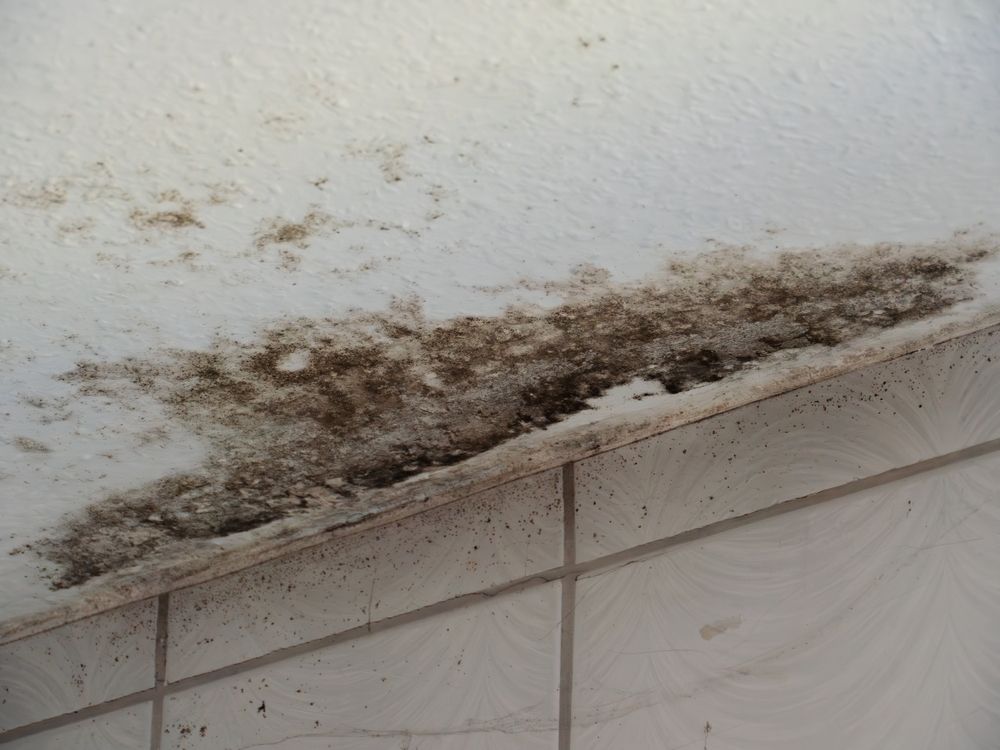
Mold colonization follows predictable patterns in Billings neighborhoods where spring runoff saturates foundation perimeters and freeze-thaw cycles crack basement walls, allowing groundwater intrusion. You're seeing black staining on drywall, smelling musty odors in lower levels, or noticing respiratory irritation that worsens indoors. DCR handles licensed mold remediation across South Hills, Laurel, and Lockwood—areas where basement and crawlspace moisture zones create ideal conditions for fungal growth that standard cleaning can't address.
Remediation begins with containment that isolates affected areas using plastic sheeting and negative air pressure, preventing spore migration to clean zones during removal work. HEPA air scrubbers filter air continuously while contaminated materials get bagged and removed, and root cause moisture problems receive evaluation to prevent recolonization after remediation completes. The process addresses visible growth and hidden colonies behind walls or under flooring where moisture meters detect elevated readings.
Schedule a moisture assessment and air quality evaluation to determine remediation scope and contamination extent.
What Changes After Proper Mold Removal
Your property receives containment barriers before affected material removal begins, because disturbing mold colonies releases spores that contaminate adjacent rooms when airborne particle control isn't maintained. Removal work eliminates porous materials that absorbed mold growth—drywall, insulation, carpeting—because surface cleaning leaves root structures that regrow within weeks. Non-porous surfaces like framing lumber get HEPA-vacuumed and treated with antimicrobial solutions after source materials are removed.
You'll notice air that smells clean rather than earthy or musty, elimination of visible staining on surfaces, and reduction in respiratory symptoms that appeared or worsened indoors. Post-remediation clearance testing confirms spore counts return to normal outdoor baseline levels, not arbitrary thresholds—this documentation proves work completion and satisfies disclosure requirements if you sell the property later.
Remediation scope includes affected material removal and containment protocols, but excludes the moisture control repairs needed to prevent recurrence—foundation waterproofing, crawlspace encapsulation, or ventilation improvements get specified separately based on what's causing elevated humidity. Skipping moisture control means mold returns within months even after proper remediation, wasting the investment in contaminated material removal..
Common Questions About Mold Removal
Mold questions often focus on health impacts, removal procedures, and the moisture conditions that allow colonization in Billings properties affected by seasonal water intrusion.
What causes mold growth in Billings basements during spring?
Spring runoff raises groundwater tables and saturates soil around foundations, creating hydrostatic pressure that forces moisture through basement walls and floors. Combined with poor ventilation, this creates humidity levels above 60 percent where mold colonizes within days on organic materials.
How does containment prevent contamination spread during removal?
Plastic sheeting barriers seal affected areas from the rest of your property, while negative air machines exhaust air outdoors through HEPA filters—this creates lower pressure in the work zone so airborne spores can't escape into clean areas when materials get disturbed.
Why can't you just clean mold off surfaces instead of removing materials?
Mold sends root structures called hyphae deep into porous materials like drywall and insulation. Surface cleaning removes visible growth but leaves roots that regrow within weeks, requiring full material removal to eliminate colonization completely.
What's included in post-remediation clearance testing?
Independent laboratories collect air samples from remediated areas and compare spore counts to outdoor baseline levels and unaffected indoor areas. Results confirm remediation success and provide documentation for insurance claims and property sale disclosures.
How quickly can mold colonize after water damage?
Mold spores are always present in air but require moisture, organic material, and 48 hours to begin colonizing. This makes immediate structural drying after water events critical for mold prevention—delayed response guarantees remediation costs on top of water damage restoration expenses.
Freeze-thaw foundation cracking and spring groundwater intrusion create recurring mold risk across Lockwood and South Hills properties built on moisture-prone sites. Disaster Cleanup and Restoration provides licensed remediation with root cause moisture analysis—request an inspection to identify colonization extent and moisture sources driving growth.