Properties Restored After Valley Flooding
Flood Damage Restoration in Billings for homes and businesses hit by spring runoff or seasonal weather events
Spring runoff flooding in the Yellowstone River valley introduces contaminated water carrying sediment, bacteria, and debris into basements, crawlspaces, and ground-floor living areas. Disaster Cleanup and Restoration provides flood remediation from initial extraction through structural restoration for properties in Billings, Lockwood, and North Billings flood zones where seasonal weather events create acute flooding risk. The service addresses category 2 and category 3 water contamination using sanitation protocols that protect occupants from pathogens while restoring structural integrity.
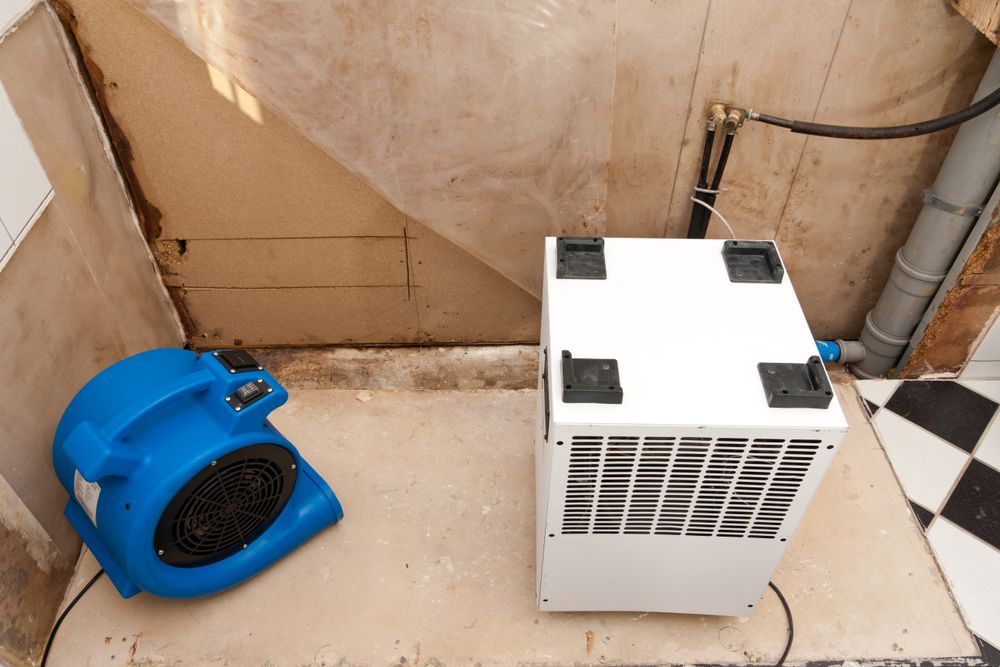
High-capacity extraction equipment removes standing water, followed by contamination assessment to classify the water source and determine which materials require removal versus decontamination. Foundation and crawlspace drying protocols target areas where moisture accumulates and compromises structural supports over time.
Arrange an on-site assessment to evaluate contamination levels and develop a restoration plan specific to your property's flood exposure.
What Full-Scope Flood Remediation Includes
Flood remediation begins with water extraction and contamination classification because category 2 water contains biological contaminants from soil contact, while category 3 water involves sewage or chemical contamination requiring different handling protocols. Extraction removes bulk water, then sanitation treatment addresses microbial contamination on salvageable surfaces before drying equipment is positioned to target structural materials and concealed spaces.
You'll see sediment staining and water lines disappear as contaminated materials are removed and surfaces are treated with antimicrobial solutions. Floors that were buckled or spongy become stable again once subfloor moisture is extracted and framing is dried to safe levels. Crawlspace flooding requires separate attention because standing water under homes accelerates foundation deterioration and creates persistent humidity that affects the entire structure.
The restoration process includes removal of porous materials like insulation and drywall that cannot be adequately decontaminated, structural drying of framing and concrete, and sanitation of hard surfaces that remain in place. Disaster Cleanup and Restoration documents contamination levels and moisture readings throughout to verify that all affected areas meet health and safety standards before reconstruction begins.
Questions Homeowners Ask About Flood Restoration
Contamination classification and drying timelines depend on water source, exposure duration, and structural materials affected.
What makes flood water different from clean water damage?
Flood water classified as category 2 or category 3 contains biological pathogens, sediment, and chemical contaminants that require sanitation protocols beyond simple drying, including antimicrobial treatment and often removal of porous materials that absorb contaminated water.
How is contamination assessed after flooding?
Water source and exposure duration determine contamination category, with visual inspection identifying sediment levels, odor indicating sewage contact, and testing confirming whether materials can be salvaged or must be removed to eliminate health risks.
Why do crawlspaces require separate drying protocols?
Crawlspace flooding creates standing water that remains long after surface water recedes, and limited ventilation means moisture evaporates slowly, leading to wood rot in floor joists and elevated humidity levels throughout the home if not addressed with targeted extraction and drying.
What happens to materials that contacted flood water?
Porous materials like drywall, insulation, and carpet that absorbed category 2 or category 3 water are typically removed because decontamination cannot eliminate pathogens embedded in the material structure, while hard surfaces like tile and concrete can be sanitized and retained.
How long does flood restoration take in Billings?
Extraction and contamination treatment often complete within days, but structural drying in Montana's spring humidity conditions extends the timeline to two to four weeks before framing reaches safe moisture levels and reconstruction can begin without mold risk.
Disaster Cleanup and Restoration responds to flood events throughout the Yellowstone River valley with extraction equipment and contamination protocols designed for category 2 and category 3 water sources. Contact the company directly to request emergency flood remediation services.