Structural Containment That Stops Secondary Losses
Emergency Board-Up and Roof Tarps in Billings for properties damaged by fire, hail, wind, or storm events requiring immediate weather protection
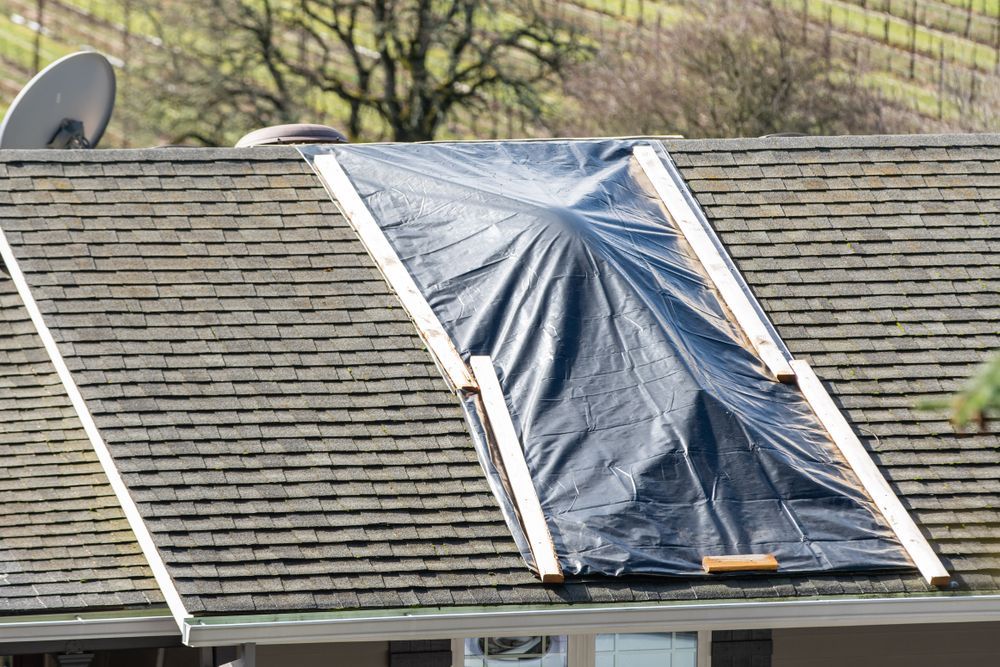
Hail damage season and Montana wind events along the I-90 corridor create urgent need for same-day structural containment after severe weather compromises building envelopes and exposes interiors to rain, snow, and wind-driven moisture. DCR deploys plywood and OSB panels to secure broken windows and damaged door openings, installs weather-tight sealing around compromised structural openings, and positions temporary roof tarps over sections where shingles or decking have failed. Properties in downtown Billings and along the Rimrock corridor face repeated exposure during spring storm cycles when rapid deployment prevents water intrusion from converting single-event damage into ongoing deterioration.
Board-up and tarping services address the window between initial damage and permanent repairs, creating weatherproof barriers that halt interior exposure while insurance adjusters document losses and restoration contractors schedule reconstruction work. The installation uses fastening methods that secure coverings against Montana wind loads without causing additional structural damage, with tarping systems anchored to resist displacement during subsequent weather events.
Arrange rapid deployment for structural containment to prevent rain and wind from entering damaged areas before permanent repairs begin.
What You Notice Once Weather Containment Is Finished
Board-up installation secures every accessible opening where windows, doors, or walls have failed, using plywood or OSB cut to fit each compromised area and fastened directly to structural framing that provides wind-resistant anchoring. Roof tarping extends over damaged sections with overlapping coverage that sheds water away from exposed decking, with edge fastening and ballast weight preventing tarp displacement during wind events common along Billings' elevated terrain.
After containment completes, you notice that rain no longer enters through broken windows or damaged roof sections, interior temperatures stabilize without direct outdoor air infiltration, and wind-driven moisture stops reaching furnishings and building materials that would otherwise sustain progressive water damage. The installation remains in place throughout the insurance documentation and contractor scheduling period, with weather-resistant materials maintaining protection through multiple storm cycles until permanent reconstruction replaces temporary coverings.
Emergency response operates on hours-based deployment rather than days-long scheduling, with containment teams arriving before nightfall or subsequent storms compound initial damage. Insurance coordination begins during the containment visit, with Disaster Cleanup and Restoration documenting installed materials and labor to streamline the claims process that authorizes both emergency services and the restoration work that follows.
Common Questions About This Service
Emergency containment raises questions about response timing, installation methods, and how temporary protection integrates with insurance claims and permanent reconstruction.
How quickly does emergency board-up deployment reach damaged properties?
Disaster Cleanup and Restoration operates on same-day response when storm damage or fire creates immediate exposure, with crews arriving within hours rather than waiting for next-business-day scheduling that allows additional weather intrusion.
What materials secure broken windows and damaged door openings?
Plywood or OSB panels cut to fit each opening attach directly to window frames or wall studs using fastening methods that resist wind loads without penetrating structural components beyond what temporary installation requires.
When should property owners arrange roof tarping in Billings?
Tarping becomes necessary immediately after hail strips shingles, wind tears roof sections, or fire damage compromises decking—particularly before evening storms or overnight precipitation forecasts that would drive water into exposed attic spaces and insulation.
Why does Montana wind exposure require weather-resistant installation?
Properties along the Rimrock corridor and I-90 corridor face sustained winds that displace inadequately anchored tarps or board-up panels, with proper fastening and ballast weight preventing containment failure during subsequent weather events that occur before permanent repairs complete.
What coordination happens between emergency containment and insurance claims?
Containment crews document installed materials, measure covered openings, and photograph damage conditions during the emergency visit, creating the initial loss documentation that adjusters use to authorize both temporary protection costs and the restoration work that permanent repairs require.
Properties throughout Billings sustaining fire, storm, or wind damage require immediate structural containment to prevent secondary losses during the window between initial damage and permanent reconstruction. Disaster Cleanup and Restoration provides the rapid board-up and roof tarping that stops weather intrusion—contact the company when damage exposes your property to arrange same-day containment and begin insurance coordination.