Structures Cleared of Soot and Odor
Fire and Smoke Damage Restoration in Billings for residential fires, heating system malfunctions, and wind-driven structure fires
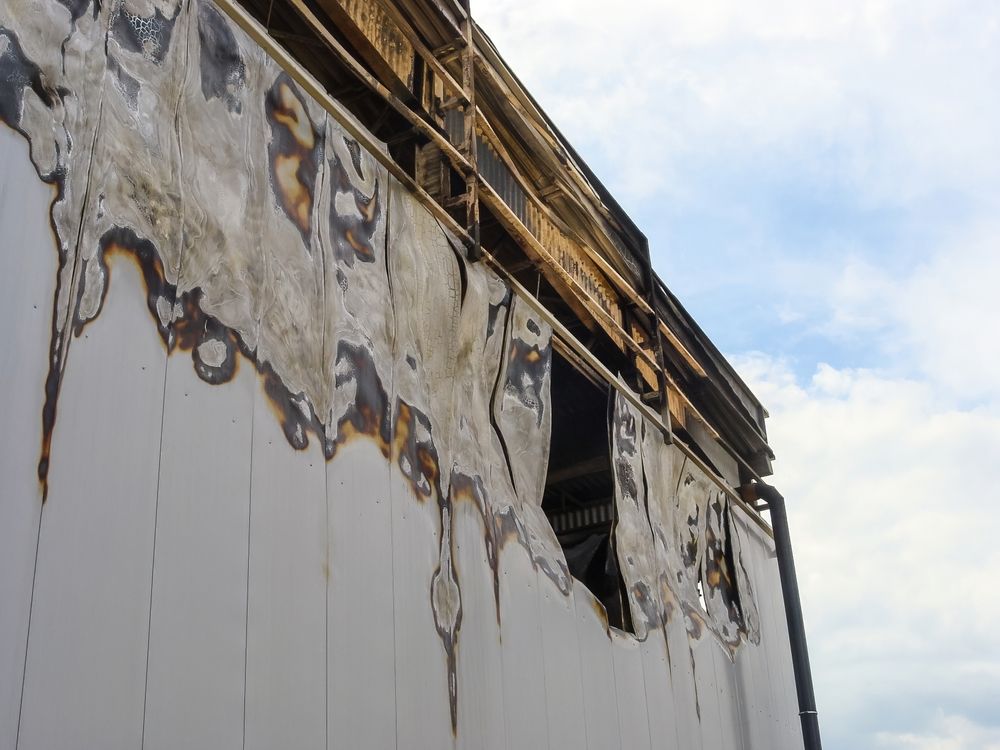
Winter heating season in Montana increases residential fire frequency when furnaces malfunction or wood stoves operate continuously during cold snaps. DCR provides fire and smoke damage restoration across Downtown Billings, North Billings, and Heights neighborhoods when flames are extinguished but soot, ash, and smoke odor remain embedded in walls, ceilings, and HVAC systems. You're left with charred framing, melted materials, and acidic residue that continues corroding metal and etching glass until removed.
The restoration process uses thermal imaging to map heat damage hidden behind finished surfaces, revealing where studs and joists lost structural integrity even when fire didn't breach through drywall. EPA-compliant ash and soot removal follows containment protocols that prevent contamination spread, while odor remediation gets integrated into the restoration scope rather than treated as a separate afterthought. Smoke particles penetrate porous materials and HVAC ductwork, requiring HEPA filtration and chemical neutralization beyond surface cleaning.
Request a detailed assessment to identify structural damage extent and develop a phased restoration timeline.
Why Hidden Smoke Damage Matters Long-Term
Your property undergoes thermal imaging before demolition begins, because heat weakens framing members and electrical systems that appear intact but failed safety thresholds during the fire. Soot removal involves specialized techniques for different materials—porous surfaces receive different treatment than sealed surfaces, and acidic residue gets neutralized before it etches glass or corrodes metal fixtures. HEPA air scrubbers run continuously during demolition and cleaning to capture airborne particles that resettle on cleaned surfaces.
You'll notice air that smells neutral instead of acrid when you enter rooms, walls that appear uniform in color rather than stained with smoke shadows, and metal fixtures that shine instead of showing corrosion patterns. Disaster Cleanup and Restoration completes odor remediation by treating HVAC systems and wall cavities where smoke penetrated, not just visible surfaces—incomplete treatment leaves odors that reappear when humidity rises or temperatures climb.
Full-service restoration includes structural repair coordination after soot and ash removal, but the scope depends on burn depth and whether framing members require sistering or full replacement. Wind events that drive fires through structures create different damage patterns than contained fires, affecting which materials get salvaged versus demolished during the restoration planning phase.
Questions About Fire Damage Recovery
Fire restoration questions typically address hidden damage, odor elimination, and the sequence of repairs needed to return properties to pre-loss condition.
How does thermal imaging reveal damage that visual inspection misses?
Thermal cameras detect temperature variations that indicate where studs absorbed heat and lost load-bearing capacity, where electrical wiring insulation melted inside walls, and where fire traveled through concealed spaces without creating visible burn patterns.
What makes smoke odor so difficult to eliminate permanently?
Smoke particles measure in microns and penetrate drywall, insulation, and ductwork where surface cleaning can't reach them. Complete odor removal requires treating hidden cavities and HVAC systems with chemical neutralizers, not just masking agents that fade over time.
Why does soot removal require EPA-compliant protocols?
Ash and soot contain toxic compounds that become airborne during cleanup, creating health hazards and contaminating unaffected areas when containment and filtration procedures aren't followed. EPA guidelines ensure safe handling and disposal of fire-damaged materials.
How do Montana wind events affect fire damage patterns?
Wind drives fires horizontally through structures instead of allowing vertical burn patterns, which creates damage in unexpected areas and makes thermal imaging essential for locating all compromised framing before reconstruction begins.
What sequence do repairs follow after soot removal?
Structural assessment comes first to identify compromised framing, followed by electrical and plumbing system evaluation, then sequential rebuilding from framing through finished surfaces. Attempting repairs out of sequence creates code violations and fails inspections.
Heating season fires and wind-driven structure fires require immediate response to prevent ongoing corrosion from acidic soot residue. Arrange an emergency board-up and damage documentation session with Disaster Cleanup and Restoration to secure your property and begin insurance coordination.