Sites Decontaminated With Professional Discretion
Biohazard, Trauma & Crime Scene Cleaning in Billings for properties requiring bloodborne pathogen containment and specialized remediation
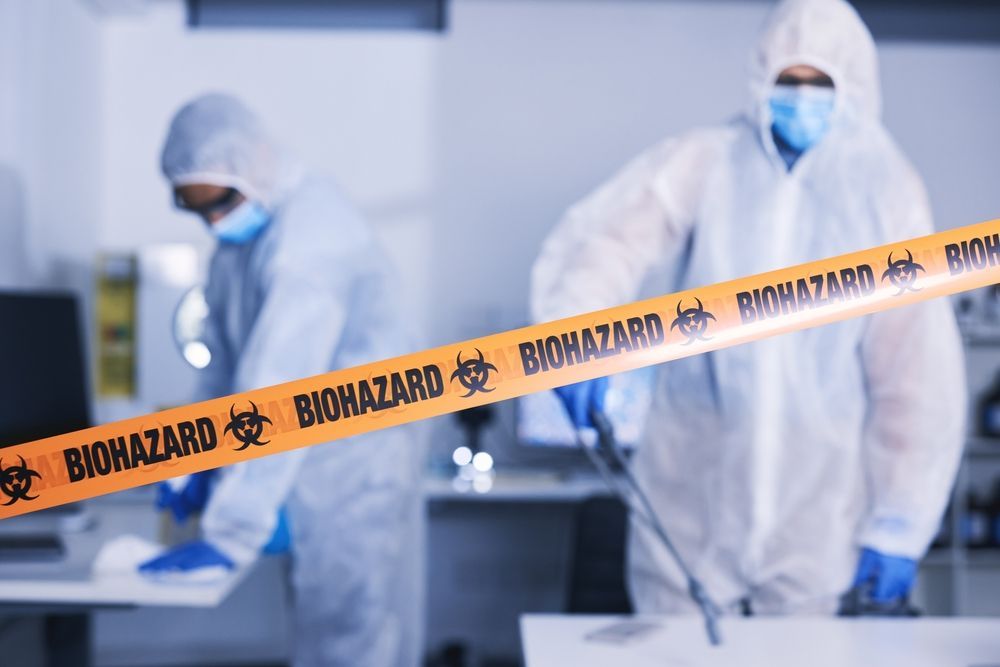
Bloodborne pathogen protocols and enzymatic decontamination techniques are required when trauma scenes, unattended deaths, or biohazard incidents contaminate residential or commercial properties with materials that pose infectious disease risks. DCR provides trauma scene remediation throughout Billings, the Heights, and Downtown Billings using specialized crew training in OSHA bloodborne pathogen standards and discreet service delivery that respects the sensitivity of these situations. Rural Montana properties and remote locations require mobile containment equipment that brings full decontamination capabilities to sites without compromising safety or privacy.
The process involves containment of affected areas to prevent cross-contamination, enzymatic treatment that breaks down biological materials at a molecular level, and sharps disposal following medical waste protocols. All contaminated materials are removed and transported under biohazard certification requirements.
Contact the company directly to request immediate biohazard remediation with rapid response protocols designed for sensitive situations.
What Professional Remediation Protocols Require
Bloodborne pathogen containment begins with isolating the affected area using physical barriers that prevent airborne particulates and surface contamination from spreading to unaffected spaces. Enzymatic decontamination applies biological agents that break down proteins, lipids, and pathogens in blood and tissue, neutralizing infectious material rather than simply masking or covering contamination. Sharps disposal captures needles, glass, and other puncture hazards in certified containers that meet OSHA standards for medical waste handling.
After remediation is complete, surfaces that were stained or contaminated appear clean and free of odor, with no visible residue or biological material remaining. Affected areas are restored to safe occupancy standards, with documentation provided to verify that all biohazard materials have been removed and surfaces have been decontaminated according to regulatory requirements.
The service includes removal of porous materials like carpet, padding, and drywall that absorbed biological fluids and cannot be adequately decontaminated, along with sanitization of hard surfaces and structural materials that remain in place. Discreet service delivery involves unmarked vehicles and crew members trained to handle these situations with professionalism and respect for property owners and affected families.
Questions About Biohazard Remediation Services
Scope of contamination and material types affected determine remediation protocols and timeline.
What training is required for biohazard cleaning?
Specialized crew training covers OSHA bloodborne pathogen standards, personal protective equipment use, enzymatic decontamination methods, and proper handling of sharps and medical waste to ensure that remediation meets regulatory requirements and protects both workers and occupants.
How does enzymatic treatment work on biological contamination?
Enzymatic cleaners use biological agents that break down proteins, lipids, and pathogens at a molecular level rather than simply covering stains, which neutralizes infectious material and eliminates odors caused by decomposition or fluid absorption in porous surfaces.
Why can't porous materials be saved after biohazard exposure?
Carpet, padding, drywall, and insulation absorb biological fluids deep into the material structure where surface cleaning cannot reach, so these materials must be removed and disposed of as regulated medical waste to eliminate infection risk and prevent odor recurrence.
What happens to biohazard waste after removal?
All contaminated materials are transported in certified biohazard containers to facilities licensed for medical waste disposal, with documentation provided to verify compliance with Montana health regulations and federal OSHA standards.
How quickly can biohazard remediation begin in Billings?
Disaster Cleanup and Restoration maintains rapid response protocols that allow crew deployment within hours of notification, with mobile containment equipment that brings full decontamination capabilities to rural Montana properties and remote locations without facility access delays.
Disaster Cleanup and Restoration responds to trauma scenes and biohazard incidents with discretion and specialized equipment designed to restore properties to safe occupancy standards. Reach out immediately if you require professional biohazard remediation with certified disposal and documentation protocols.