Soft Goods Salvaged After Water Contamination
Carpet and Upholstery Cleaning in Billings for post-flood restoration, water damage salvage, and contamination removal
Spring runoff season increases water damage incidents that leave carpeting and upholstery saturated with contaminated water carrying soil, bacteria, and organic material from outdoor flooding sources. DCR handles carpet and upholstery restoration across Downtown Billings and South Hills residential and commercial properties when water intrusion affects soft goods before they're removed and replaced. You're trying to salvage assets when replacement costs strain budgets, but standard cleaning won't address contamination or prevent microbial growth in padding and backing materials.
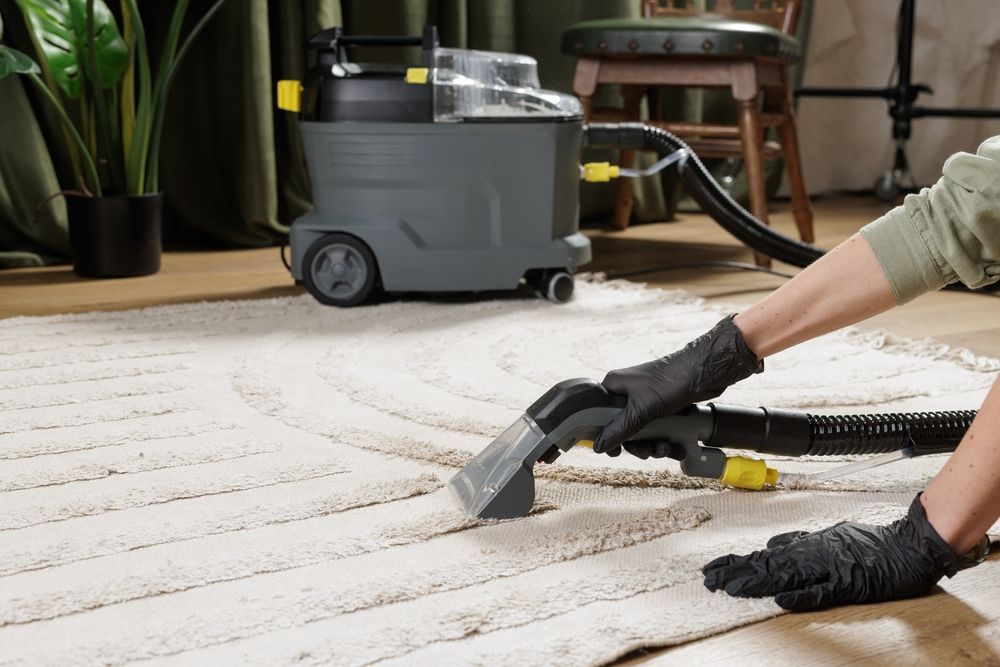
Post-damage restoration involves hot water extraction that removes contamination from carpet fibers and upholstery fabric, followed by antimicrobial treatments applied after water damage to prevent bacterial and fungal growth in materials that remain damp during structural drying. Fiber preservation techniques include controlled drying rates that prevent shrinkage and backing delamination, extending asset life when water exposure hasn't caused permanent damage. The process evaluates padding separately because porous foam rarely salvages successfully after contamination exposure.
Request an on-site evaluation to determine which soft goods qualify for restoration versus replacement after water damage events.
What Determines Carpet Salvage Success
Your carpeting receives classification based on water contamination source—clean water from supply lines allows more aggressive salvage attempts than water containing sewage or outdoor flooding debris. Extraction equipment removes standing water before hot water cleaning injects and immediately extracts cleaning solution, flushing contamination from carpet pile and primary backing. Antimicrobial application prevents odor development and microbial colonization while air movers and dehumidification complete the drying process over 24 to 48 hours.
You'll notice carpeting that feels dry and springs back when compressed rather than remaining matted, upholstery that shows uniform color without water lines or staining, and elimination of musty odors that appear when organic contamination remains embedded in fibers. Successful restoration depends on completing extraction and treatment within 48 hours of water exposure—delayed response allows contamination to set and microbial growth to begin, reducing salvage probability to near zero.
Restoration includes fiber cleaning and antimicrobial treatment but doesn't cover padding replacement, which usually requires removal after contaminated water exposure because porous foam can't be adequately cleaned. Carpeting gets reinstalled over new padding when fibers salvage successfully, maintaining your investment in quality materials while eliminating contaminated substrates that cause recurring odor problems.
Questions About Carpet and Upholstery Restoration
Soft goods restoration questions focus on salvage decisions, contamination removal, and the factors determining whether water-damaged materials warrant cleaning or require replacement after flooding events.
What types of water damage allow carpet salvage attempts?
Clean water from supply line breaks allows salvage when addressed within 48 hours, while sewage backups or outdoor flooding containing soil and bacteria usually require disposal due to contamination levels that exceed what cleaning can address safely.
How does hot water extraction differ from standard carpet cleaning?
Extraction for contamination removal uses higher water volumes and faster extraction cycles than routine cleaning—the goal is flushing embedded contaminants rather than surface soil removal, requiring equipment that injects and extracts simultaneously at higher flow rates.
Why does carpet padding rarely salvage after water damage?
Padding foam absorbs contaminated water like a sponge and lacks the structure allowing deep extraction—bacteria and organic material remain embedded even after surface drying, creating odor and health concerns that make replacement more cost-effective than attempted salvage.
How do antimicrobial treatments work after water damage?
Treatments applied post-extraction prevent bacterial and fungal colonization during the 24 to 48 hours carpeting requires for complete drying. Without treatment, moisture and organic contamination create ideal conditions for microbial growth that produces odors and health risks.
What timeline determines whether soft goods get salvaged or replaced?
Materials addressed within 48 hours of water exposure usually qualify for salvage attempts, while delayed response allows contamination to set permanently and microbial growth to begin—at that point, cleaning can't restore sanitary conditions and replacement becomes necessary.
Flooding season creates concentrated demand for carpet and upholstery assessment across Billings properties where water intrusion affects valuable soft goods. Disaster Cleanup and Restoration provides rapid evaluation to separate salvageable materials from those requiring replacement—schedule an inspection immediately after water damage occurs to maximize asset recovery.