Invisible Gas That Concentrates During Repairs
Radon Testing in Billings for basement-level restoration projects and real estate transactions requiring EPA-certified measurement
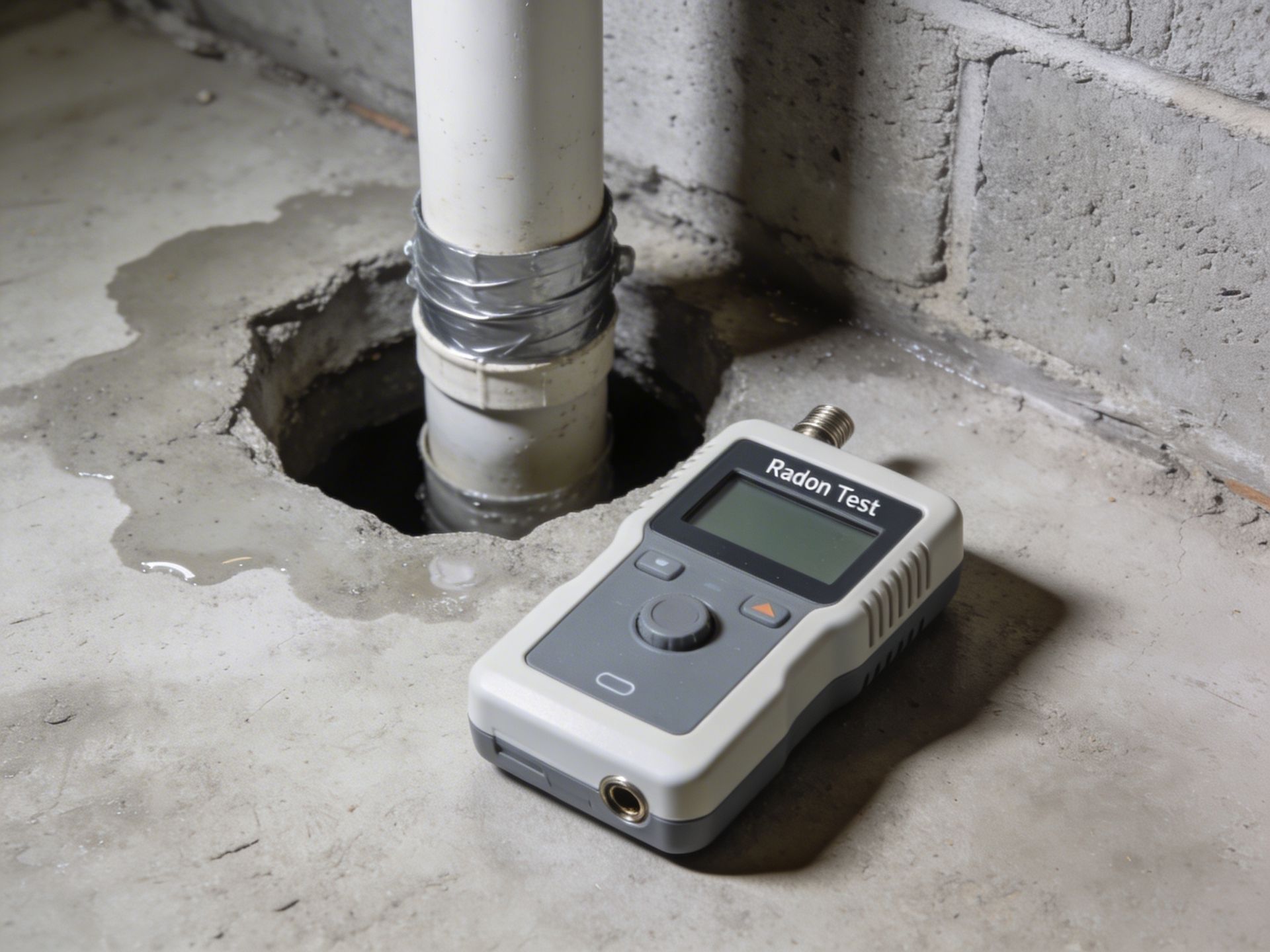
Yellowstone River valley geology creates elevated radon risk in Billings properties, particularly in basement levels where water damage repairs disturb soil contact points and alter air pressure dynamics that control how radioactive gas enters living spaces. DCR deploys EPA-certified continuous radon monitors that measure airborne radon concentrations over 48 to 72-hour test cycles, producing the documented results that real estate transactions and post-restoration verification require. Properties in South Hills, the Heights, and along the Rimrock corridor frequently need testing after flood remediation or foundation work exposes new pathways for soil gas infiltration.
Radon testing becomes necessary when restoration work affects basement air sealing, when pre-purchase inspections require documented radon levels before closing, or when post-remediation verification confirms that mitigation systems have reduced concentrations to acceptable thresholds. The testing protocol follows EPA Lab Accreditation standards, with continuous monitors placed in lowest-level living spaces where radon accumulation peaks during the closed-building conditions that measurement requires.
Request a radon measurement to establish baseline concentrations before restoration work begins or to verify levels for real estate disclosure.
How Radon Measurement Addresses Basement Exposure Risk
The testing process positions continuous radon monitors in basement-level rooms where soil contact and air pressure differentials allow radioactive gas to enter through foundation cracks, sump openings, or utility penetrations, with monitors recording hourly concentration fluctuations throughout the 48 to 72-hour measurement window. EPA protocol requires closed-building conditions during testing, meaning windows and exterior doors remain shut to simulate normal living patterns and prevent artificial ventilation from diluting radon levels.
Once testing completes, you receive documentation showing whether radon concentrations exceed the EPA action level of four picocuries per liter, along with hourly measurement data that reveals how basement air quality changes with furnace cycling and barometric pressure shifts. Testing conducted by Disaster Cleanup and Restoration satisfies real estate transaction requirements and provides the baseline measurements that mitigation contractors need to design effective radon reduction systems for properties where concentrations warrant intervention.
Post-remediation verification testing confirms that installed mitigation systems have lowered radon levels below action thresholds, with side-by-side comparison data showing the concentration reduction achieved. Properties undergoing water damage restoration in Billings often combine radon testing with moisture remediation work because basement repairs create opportunities to address both indoor air quality concerns simultaneously rather than scheduling separate service visits.
Answers to Frequent Service Questions
Radon testing requirements and measurement protocols raise questions about timing, testing duration, and how results factor into restoration projects and property transactions.
What happens during the continuous radon monitoring process?
EPA-certified monitors sit in basement-level rooms recording airborne radon concentrations every hour, with the device capturing fluctuations caused by weather changes, HVAC operation, and soil gas pressure variations that affect how radioactive gas enters the building.
How long does radon testing take to produce results?
The measurement cycle runs 48 to 72 hours under closed-building conditions, followed by immediate data retrieval that documents average radon concentrations and hourly measurement variations throughout the test period.
When should property owners schedule radon testing in Billings?
Testing becomes critical after basement water damage repairs that disturb foundation sealing, during pre-purchase inspections when buyers require documented radon levels, or following mitigation system installation when verification testing confirms that reduction efforts have succeeded.
Why does Yellowstone River valley geology increase radon risk?
Basement-level properties in South Hills and along the Rimrock corridor sit above geological formations that release radon from soil, with foundation contact points allowing radioactive gas to enter through cracks and openings that develop as buildings settle or sustain water damage.
What documentation does radon testing provide for real estate transactions?
EPA Lab Accreditation protocol produces written reports showing measured radon concentrations, hourly data throughout the test cycle, and monitor calibration verification that satisfies lender requirements and buyer due diligence requests before closing.
Basement-level restoration projects and real estate transactions throughout Billings require EPA-certified radon measurement to document indoor air quality and identify properties where mitigation systems warrant consideration. Disaster Cleanup and Restoration provides the continuous monitoring and accredited testing documentation that disclosure requirements demand—arrange a measurement to establish radon levels in your property.