Roofs and Structures Secured After Wind Events
Storm Damage Restoration in Billings for hail impacts, wind-torn roofing, and water intrusion following severe weather
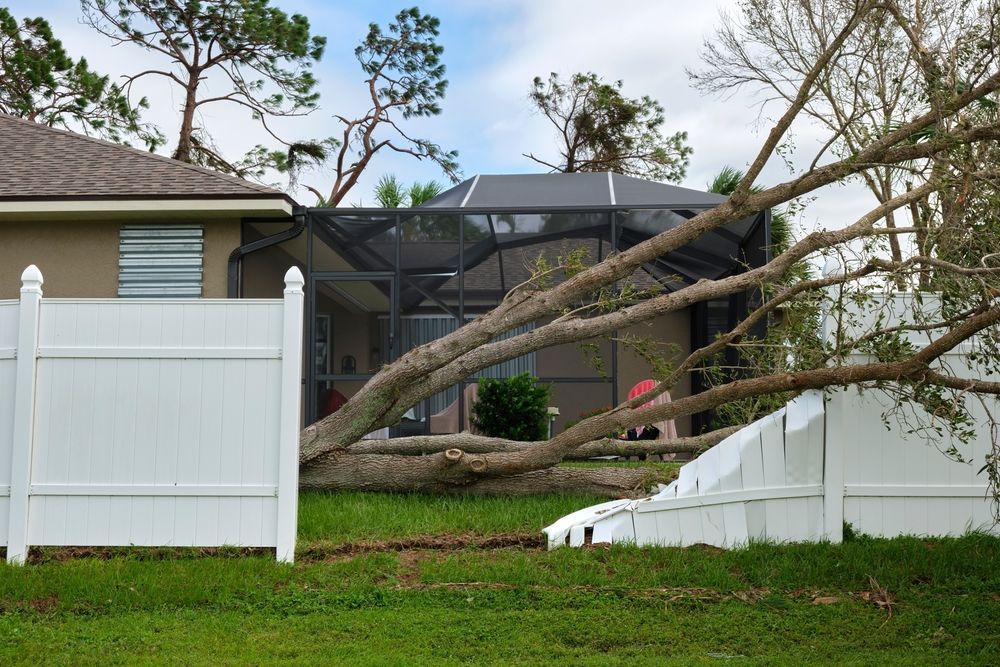
Montana wind events and hail damage season create seasonal spikes in structural damage claims across the Rimrock corridor and I-90 corridor where exposed properties take direct weather impacts. DCR responds to storm damage when high winds tear shingles and fascia, hail punctures roofing and siding, or rain penetrates through compromised building envelopes before temporary repairs get completed. You're dealing with exposed roof decking, water-damaged interiors, and debris scattered across your property that requires immediate stabilization to prevent additional loss.
Emergency response includes same-day board-up to secure openings where windows shattered or roofing tore away, followed by roof assessment that documents hail impact patterns, missing shingles, and compromised flashing. Gutter and fascia damage gets photographed with measurements for insurance coordination, while debris removal clears your property of torn roofing materials, fallen branches, and wind-blown wreckage. Water intrusion that followed the storm receives extraction and structural drying to prevent secondary mold damage.
Arrange an on-site damage assessment to document storm impacts and develop emergency stabilization priorities.
How Storm Damage Assessment Works Correctly
Your property receives systematic documentation starting with aerial or roof-level photography that captures hail dimpling patterns on shingles, wind damage to ridges and valleys, and compromised penetrations around vents and chimneys. Measurements record damaged area square footage, and material samples get retained when impact depth or wind uplift patterns need verification during insurance review. Interior water damage gets mapped to roof compromise locations, establishing the causal relationship insurers require for claims approval.
You'll notice immediate weather protection from board-up and tarp installation, elimination of standing water from interior spaces, and documented evidence supporting your insurance claim rather than relying on verbal descriptions. Disaster Cleanup and Restoration coordinates expedited restoration timelines with adjusters to move from emergency stabilization through permanent repairs, reducing the gap where your property remains vulnerable to additional weather exposure.
Emergency services include stabilization and damage documentation, but full restoration follows insurance approval and involves separate roofing contractors, siding specialists, or window replacement vendors depending on damage scope. The restoration timeline depends on material availability and contractor scheduling during peak storm seasons when multiple properties compete for the same repair resources across West End residential areas.
Questions Before Storm Restoration Begins
Storm damage questions typically focus on documentation requirements, insurance processes, and the sequence of emergency through permanent repairs following severe weather events in Billings.
How quickly should emergency board-up happen after storm damage?
Board-up should occur within hours of damage occurring to prevent rain intrusion, wildlife entry, and vandalism—delays allow additional loss that insurers may classify as preventable and exclude from coverage.
What documentation do insurance adjusters require for storm claims?
Adjusters need dated photographs showing damage extent, measurements of affected areas, material samples demonstrating impact severity, and interior water damage maps linking roof compromise to structural damage. Missing documentation delays claims and reduces settlement amounts.
Why does hail damage sometimes not appear obvious on inspection?
Hail impacts compress shingle granules and bruise underlying mat without creating visible punctures, but these impacts reduce shingle lifespan and create future leak points. Experienced inspectors recognize subtle dimpling patterns and measure impact depths that untrained observers miss.
How do Montana wind patterns affect storm damage across Billings?
Wind funnels through the Yellowstone River valley and accelerates along the Rimrock corridor, creating localized high-wind zones where roofing experiences uplift forces beyond design ratings. Properties on ridges and exposed hillsides sustain damage while nearby sheltered homes remain unaffected.
What happens between emergency stabilization and permanent repairs?
Your property remains protected with temporary measures while insurance processes claims, contractors order materials, and scheduling accommodates weather windows suitable for exterior work. This gap period requires monitoring to ensure tarps remain secure and board-up stays weather-tight.
Hail season and wind events create concentrated demand for emergency services across exposed Billings neighborhoods. Disaster Cleanup and Restoration provides immediate response for board-up, debris removal, and damage documentation—contact for emergency storm damage stabilization and insurance coordination support.