Sites Cleared After Storm Damage
Debris Removal in Billings for properties with structural damage from winter storms or spring runoff flooding
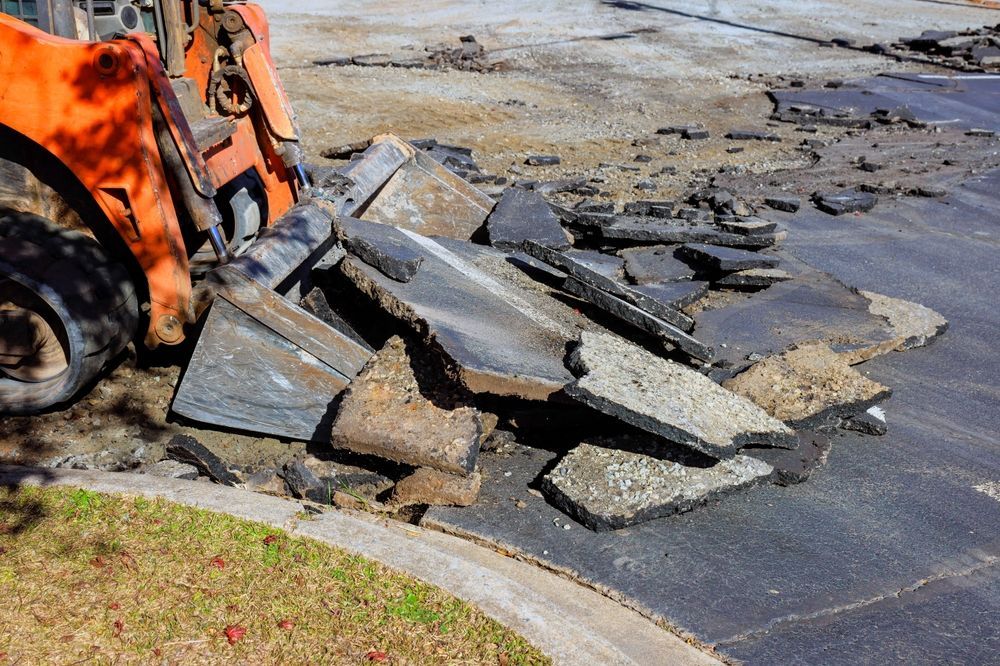
Montana winter storms and Yellowstone River valley flash events generate heavy structural debris including damaged roofing materials, waterlogged drywall, destroyed insulation, and collapsed framing that must be sorted, hauled, and disposed of according to material type. Post-disaster debris removal involves separating recyclable materials from hazardous waste, loading heavy equipment, and performing final site grading to prepare properties for reconstruction. DCR handles debris hauling across North Billings, South Hills, and Laurel after events that compromise building integrity or flood properties with contaminated materials.
The process begins with sorting to identify materials that can be recycled versus those requiring hazmat disposal certification, then heavy equipment loads debris for transport to appropriate facilities. Final site grading removes remaining fragments and levels surfaces so reconstruction crews can begin work without additional cleanup delays.
Request a site evaluation to receive tonnage estimates and debris disposal documentation for insurance claims.
How Debris Sorting Affects Disposal Timelines
Hazardous material sorting separates contaminated debris like asbestos-containing insulation, lead-painted materials, and chemically treated lumber from standard construction waste that can be landfilled or recycled. This sorting step affects disposal timelines because hazmat materials require certified transport and processing, while clean wood, metal, and concrete can be hauled immediately to standard facilities.
Once debris is removed, you'll notice the property shifts from a disaster zone cluttered with damaged materials to a cleared site ready for assessment and reconstruction. Grading eliminates mud, sediment, and small fragments left behind after bulk removal, creating level surfaces where reconstruction equipment can operate safely. Properties affected by flooding often require additional grading to redirect drainage patterns that contributed to the initial damage.
Tonnage documentation and hazmat disposal certificates provide records needed for insurance claims and environmental compliance, while site restoration completion photos verify that all debris has been removed and the property meets local codes for reconstruction activities.
Common Concerns About Debris Removal
Debris volume, material type, and disposal requirements vary based on the scale of storm or flood damage.
What counts as hazardous debris?
Materials containing asbestos, lead paint, chemical treatments, or biological contamination require certified disposal rather than standard landfill transport, and sorting these materials before hauling prevents disposal delays and compliance issues.
How is debris volume calculated for removal estimates?
Tonnage estimates are based on material type and volume, with waterlogged drywall and insulation weighing significantly more than dry materials, and structural framing adding weight that requires heavy equipment for safe loading and transport.
Why does site grading matter after debris removal?
Grading removes mud, sediment, and small debris fragments that remain after bulk hauling, and it levels surfaces so that reconstruction crews can establish proper drainage patterns and foundation supports without working around leftover contamination or uneven ground.
What documentation is provided after debris removal?
Disaster Cleanup and Restoration supplies tonnage records showing the weight of materials removed, hazmat disposal certificates for regulated materials, and site completion photos that verify all debris has been cleared and the property is ready for reconstruction.
How long does debris removal take in Billings after major storms?
Timelines depend on debris volume and whether hazmat sorting is required, but most residential sites are cleared within one to three days once sorting is complete and transport is scheduled to appropriate disposal facilities.
Disaster Cleanup and Restoration coordinates debris hauling with reconstruction timelines to prevent delays once structural repairs are ready to begin. Schedule debris removal services to receive sorting protocols and disposal documentation tailored to your property's specific damage.